Sa Lilim ng Ani

History of Lupang Ramos

Date Published: August 14, 2025
Photo from KASAMA-TK 

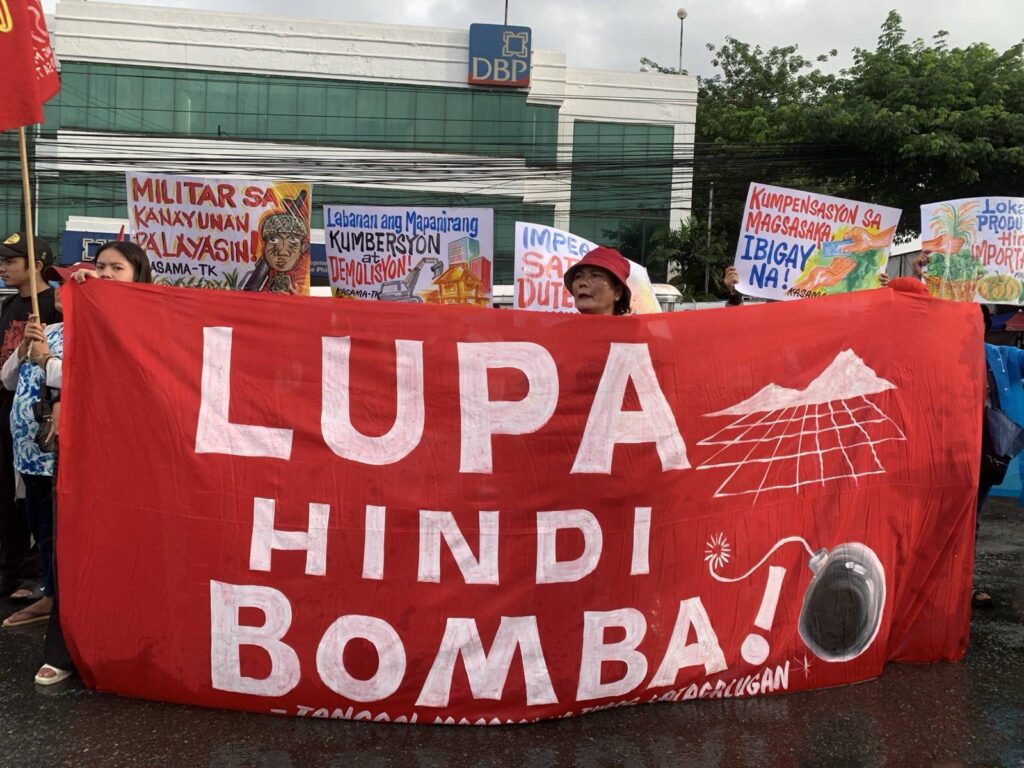
For decades, the farmers of Lupang Ramos have been embroiled in a bitter land dispute, fighting for their rights to the land they have cultivated for generations. The 372-hectare agricultural land, located in Dasmariñas, Cavite, has been a battleground between the farmers and various claimants, including descendants of the Ramos family, Ayala Land, and Luke Roxas of St. Francis Square.
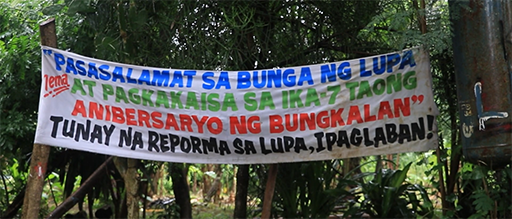
Photo by Shane Labrador

​The historical narrative of Lupang Ramos reveals a long-standing pattern of dispossession. Farmers’ land rights were initially sold by proprietors who held homestead rights, and many were later forced to sign unfavorable documents that changed their status from residents to farmworkers. This situation was exacerbated in 1965 when Ermito Ramos claimed ownership, further solidifying the farmers’ precarious position.

In their fight for land rights and better working conditions, farmers have often been met with repression. A key moment in this struggle was the Mendiola Massacre on January 22, 1987, where a peaceful protest by the Kilusang Magbubukid sa Pilipinas (KMP) advocating for land reform resulted in the deaths of 13 farmers. This event galvanized the Lupang Ramos community, leading to the formation of local organizations like Buklod ng Magbubukid sa Lupang Ramos, Inc. (BUKLOD) and later, Katipunan ng mga Lehitimong Magsasaka at Mamamayan sa Lupang Ramos (KASAMA-LR).

​In recent years, the farmers, led by KASAMA-LR, have launched “bungkalan” or land cultivation campaigns to assert their ownership. However, these efforts have been met with persistent pushback, including harassment, intimidation, and “red-tagging,” where activists are baselessly accused of being terrorists or communist supporters. The community has also faced the militarization of their land, with reports of surveillance and attempts by combined military and police forces to enter their community.

​Despite these challenges, the farmers of Lupang Ramos continue their fight, erecting barricades and collectively cultivating the land to protect their homes and livelihoods. Their struggle highlights a broader issue in the Philippines: the gap between agricultural policies and the best interests of the very farmers they are meant to serve.

REFERENCES

Quinto, J. R. (2024, January 22). Unharvested justice: Commemorating Mendiola Massacre. Heraldo Filipino https://heraldofilipino.org/commemorating-mendiola-massacre/

Umali, J. (2019, March 15). The continuing struggle of Lupang Ramos. Esquiremag.ph. https://www.esquiremag.ph/long-reads/features/lupang-ramos-agrarian-reform-a2212-20190315-lfrm2?s=dsnenslaqm7neg54ts2sq5jp91 

Umali, J. (2024, September 11). Despite protests, state security forces attempt to enter Lupang Ramos. Bulatlat. https://www.bulatlat.org/2024/09/11/despite-protests-state-security-forces-attempt-to-enter-lupang-ramos/

Photo from KASAMA-TK Facebook

Photo by Shane Labrador


Recommended Materials

The Persisting Militarization in Lupang Ramos​

“Red-tagging” has been an ongoing phenomenal issue in the Philippines but it intensified during the presidential administration of Duterte. Red-tagging is a form of threat and harassment to human rights defenders, political activists, lawyers, and other targeted groups affiliated with the progressive left—and farmers are no exception.

Filipino farmers and the growing concern of youth’s disconnection

Filipino farmers are now increasingly worried about the future of agriculture as less young people show interest in farming. Sa Lilim ng Ani recently conducted a survey that highlights the contrast between how farmers live and how the youth perceive them.

The Irony of an Agricultural Country with Food Insecurity

Filipino culture is rooted in family, tradition, and a strong sense of community. These dishes may be different but all of them have two components that are necessary to complete a Filipino meal: rice and vegetables. These ingredients are present in every household because local farmers work passionately to provide the nation’s staples.

How Climate Change Affects Agriculture​

The Philippines, situated along the Pacific Typhoon Belt, has always been susceptible to typhoons. However, the escalating effects of climate change are intensifying this vulnerability. The increasing frequency and ferocity of tropical cyclones, coupled with soaring temperatures and erratic weather patterns, are greatly impacting the country’s agricultural sector and the livelihoods of its farmers.