How Climate Change Affects Agriculture
Author: Jonalie Springael || Published Date: August 14, 2025
Photo from Jam Sta. Rosa

The Philippines, situated along the Pacific Typhoon Belt, has always been susceptible to typhoons. However, the escalating effects of climate change are intensifying this vulnerability. The increasing frequency and ferocity of tropical cyclones, coupled with soaring temperatures and erratic weather patterns, are greatly impacting the country’s agricultural sector and the livelihoods of its farmers.
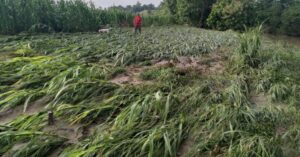
Farmers in communities like Lupang Ramos are on the front lines of this crisis. They face not only the risk of losing their entire harvest to powerful typhoons but also endure the physical toll of working under intense heat. With heat indexes frequently climbing to 40 degrees Celsius or higher, their health is put at significant risk. This extreme weather not only damages crops but also creates a more difficult and dangerous working environment.
Climate change is not the only environmental factor threatening Philippine agriculture. Farmers also contend with persistent challenges such as field pests, which thrive in changing conditions and can devastate crops. These combined pressures—from climate-related disasters to biological threats—create a complex and volatile environment for food production.
IMAGE SOURCES
Photo from Jam Sta. Rosa. https://www.philstar.com/headlines/2024/04/29/2351352/filipino-farmers-struggle-drought-and-heatwave-hits
PNA photo courtesy of Danilo Daguio. https://www.pna.gov.ph/articles/1180282
Photo courtesy of OCD-Western Visayas.
Recommended Materials
The Persisting Militarization in Lupang Ramos
“Red-tagging” has been an ongoing phenomenal issue in the Philippines but it intensified during the presidential administration of Duterte. Red-tagging is a form of threat and harassment to human rights defenders, political activists, lawyers, and other targeted groups affiliated with the progressive left—and farmers are no exception.
Filipino farmers and the growing concern of youth’s disconnection
Filipino farmers are now increasingly worried about the future of agriculture as less young people show interest in farming. Sa Lilim ng Ani recently conducted a survey that highlights the contrast between how farmers live and how the youth perceive them.
The Irony of an Agricultural Country with Food Insecurity
Filipino culture is rooted in family, tradition, and a strong sense of community. These dishes may be different but all of them have two components that are necessary to complete a Filipino meal: rice and vegetables. These ingredients are present in every household because local farmers work passionately to provide the nation’s staples.