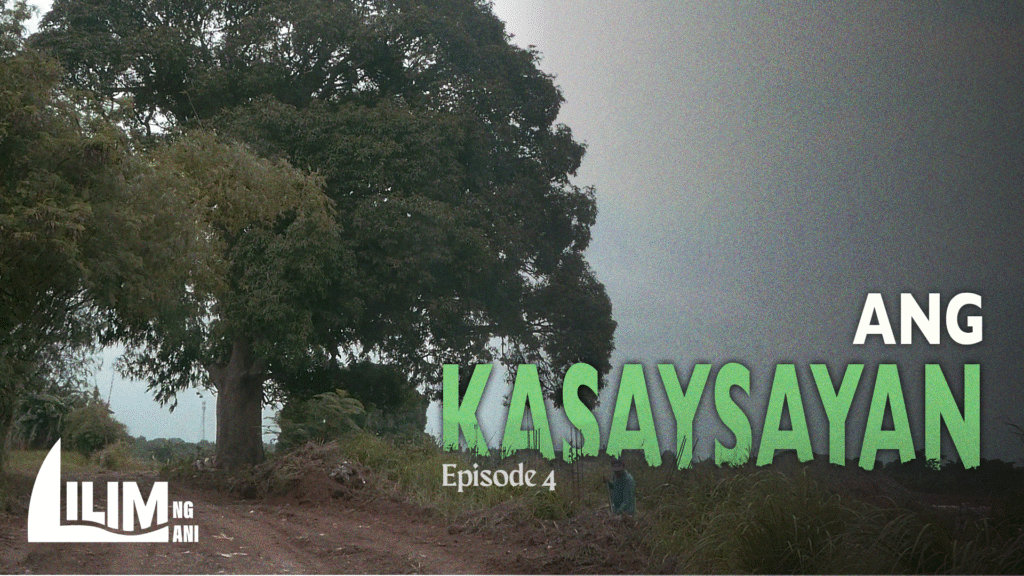
The Philippines is considered to be an agricultural country due to its terrain and tropical condition, making the land productive for farming. Productive land scatters across the nation making farming one of the Filipino’s main sources of income and livelihood. Despite being the backbone of the nation’s food supply, Filipino farmers remain among the poorest sectors in society. In communities like Lupang Ramos and other rural areas, farmers continue to struggle.
This episode reveals the socio-economic challenge individual farmers of Lupang Ramos face on a day-to-day basis.
Recommended Material
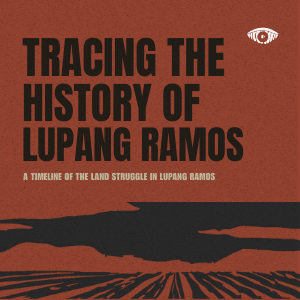
History of Lupang Ramos
For decades, the farmers of Lupang Ramos have been embroiled in a bitter land dispute, fighting for their rights to the land they have cultivated for generations. The 372-hectare agricultural land, located in Dasmariñas, Cavite, has been a battleground between the farmers and various claimants, including descendants of the Ramos family, Ayala Land, and Luke Roxas of St. Francis Square.
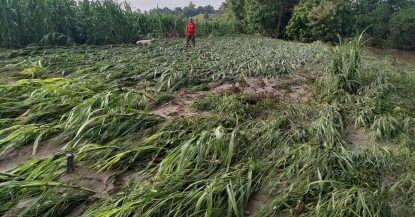
The Philippines, situated along the Pacific Typhoon Belt, has always been susceptible to typhoons. However, the escalating effects of climate change are intensifying this vulnerability. The increasing frequency and ferocity of tropical cyclones, coupled with soaring temperatures and erratic weather patterns, are greatly impacting the country’s agricultural sector and the livelihoods of its farmers.