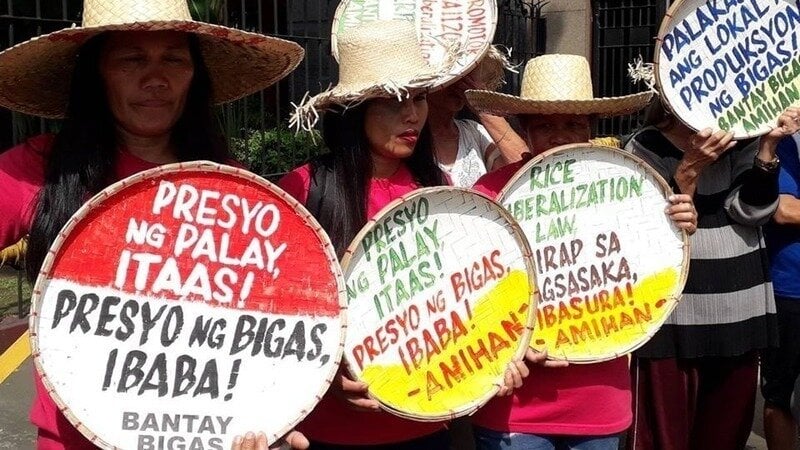
As food insecurity continues to worsen, one of the government’s attempts to remediate this was through the implementation of the Rice Liberalization Law which was passed in 2019. However, recent studies¹ show no progress , more over, causing more harm to farmers as the Philippines continue to depend on importation.
This episode reveals the impact of the Rice Liberalization Law to local farmers and the effectiveness of the Rice Comprehensive Enhancement Fund (RCEF) which claims to aid our local farmers.
Junk Rice Liberalization Law or REPUBLIC ACT 11203
“The Rice Liberalization Law resulted in the monopoly control of large traders, hoarders, importers, cartels, and smugglers on the supply and distribution of rice, making the most profit at the expense of the poor and marginalized rice producers and consumers,” Bantay Bigas spokesperson Cathy Estavillo said in a statement. (Legaspi 2024)
The Irony of an Agricultural Country with Food Insecurity
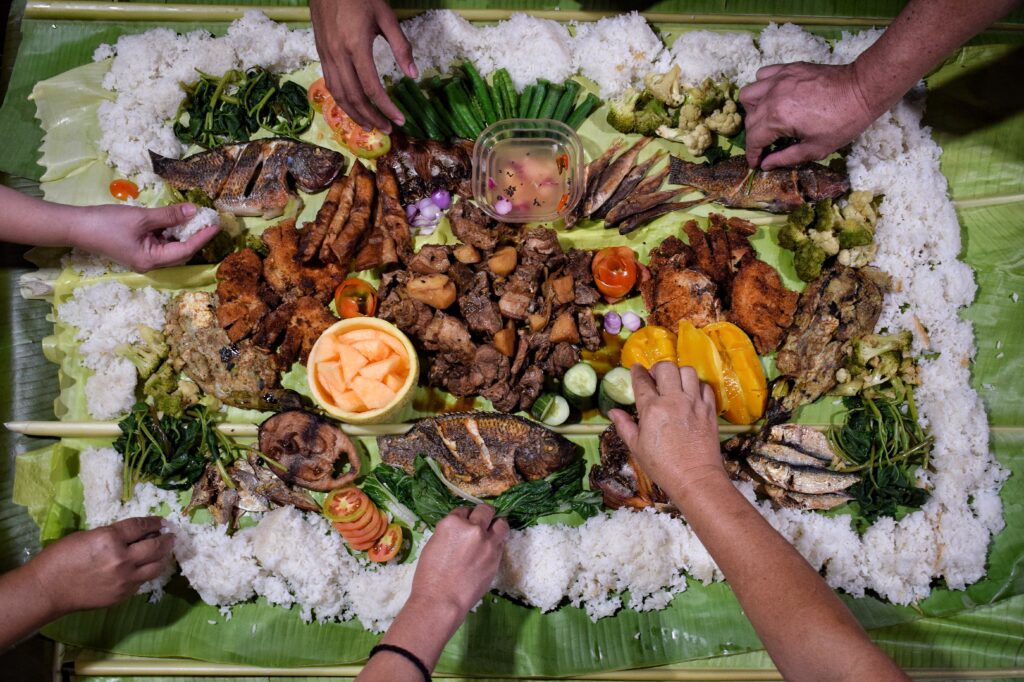
Filipino culture is rooted in family, tradition, and a strong sense of community. These dishes may be different but all of them have two components that are necessary to complete a Filipino meal: rice and vegetables. These ingredients are present in every household because local farmers work passionately to provide the nation’s staples.